

ELECTRONIC COMPONENT CATEGORIES
Start with the function your design needs—not just a part number.
Choose the starting family
Match your design task to a relevant component category before narrowing the part.
Capture design constraints
Record the specifications, package and interfaces that affect whether a component fits.
Build a more useful BOM
Combine product context with quantities and approval boundaries for a clearer RFQ.
PRODUCT FAMILY GUIDE
Electronic components organized by the job they do in your design.
These categories help buyers and engineers describe the requirement at the right level. The full manufacturer part number remains the best starting point whenever it is available.
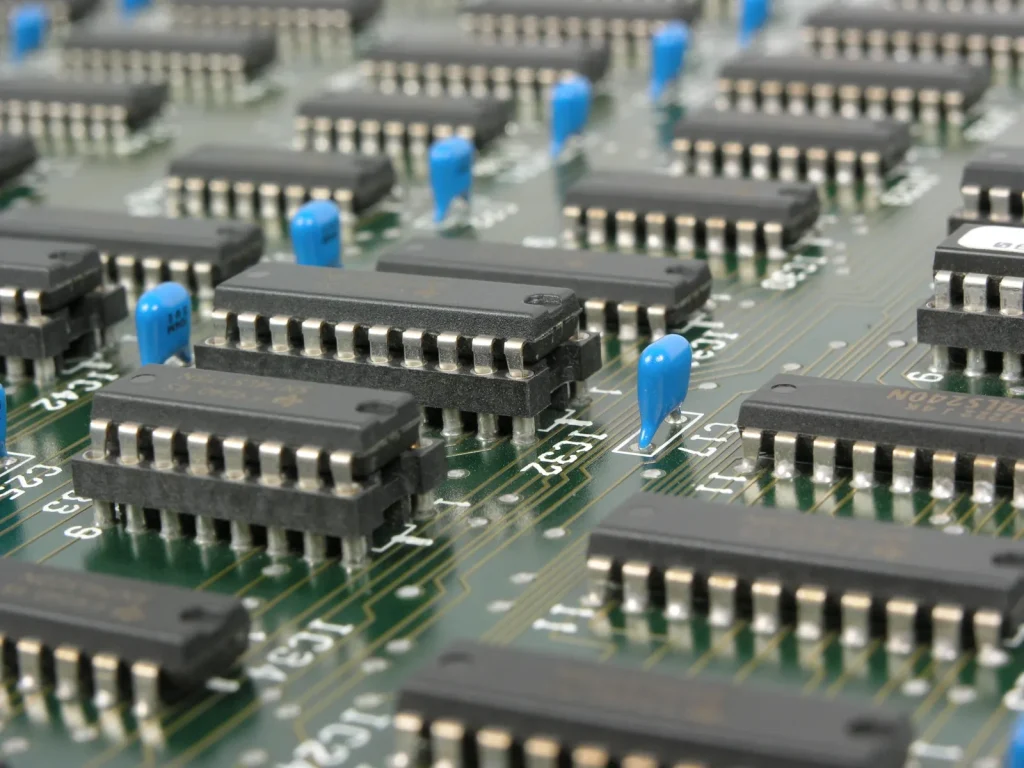
Microcontrollers & processors
For embedded control, system coordination and application-specific processing needs.
- MCUs
- MPUs
- Embedded processors
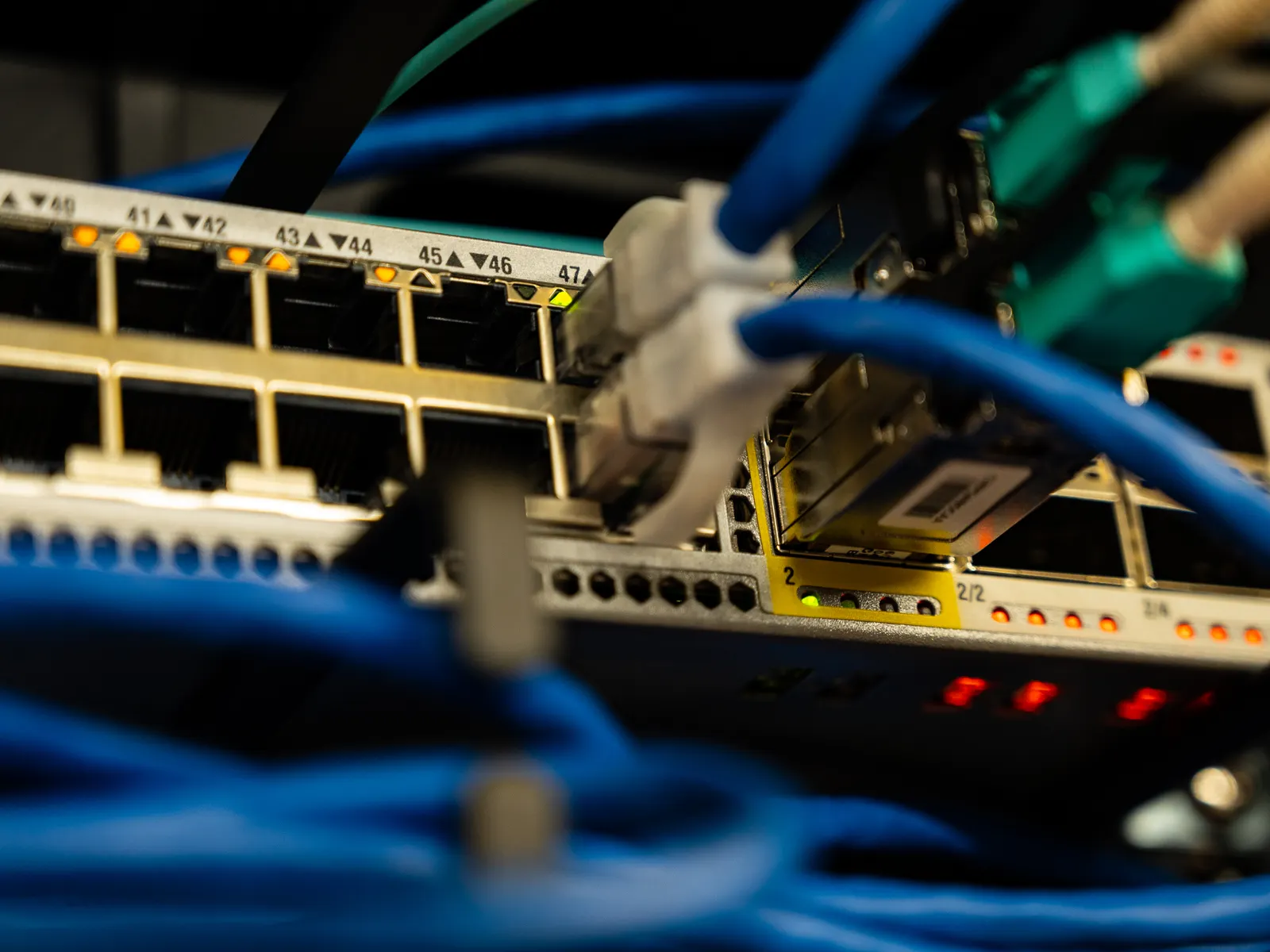
Wireless & connectivity ICs
For connected products that need wireless links, radio functions or network connectivity.
- Wi-Fi
- Bluetooth
- Wireless modules
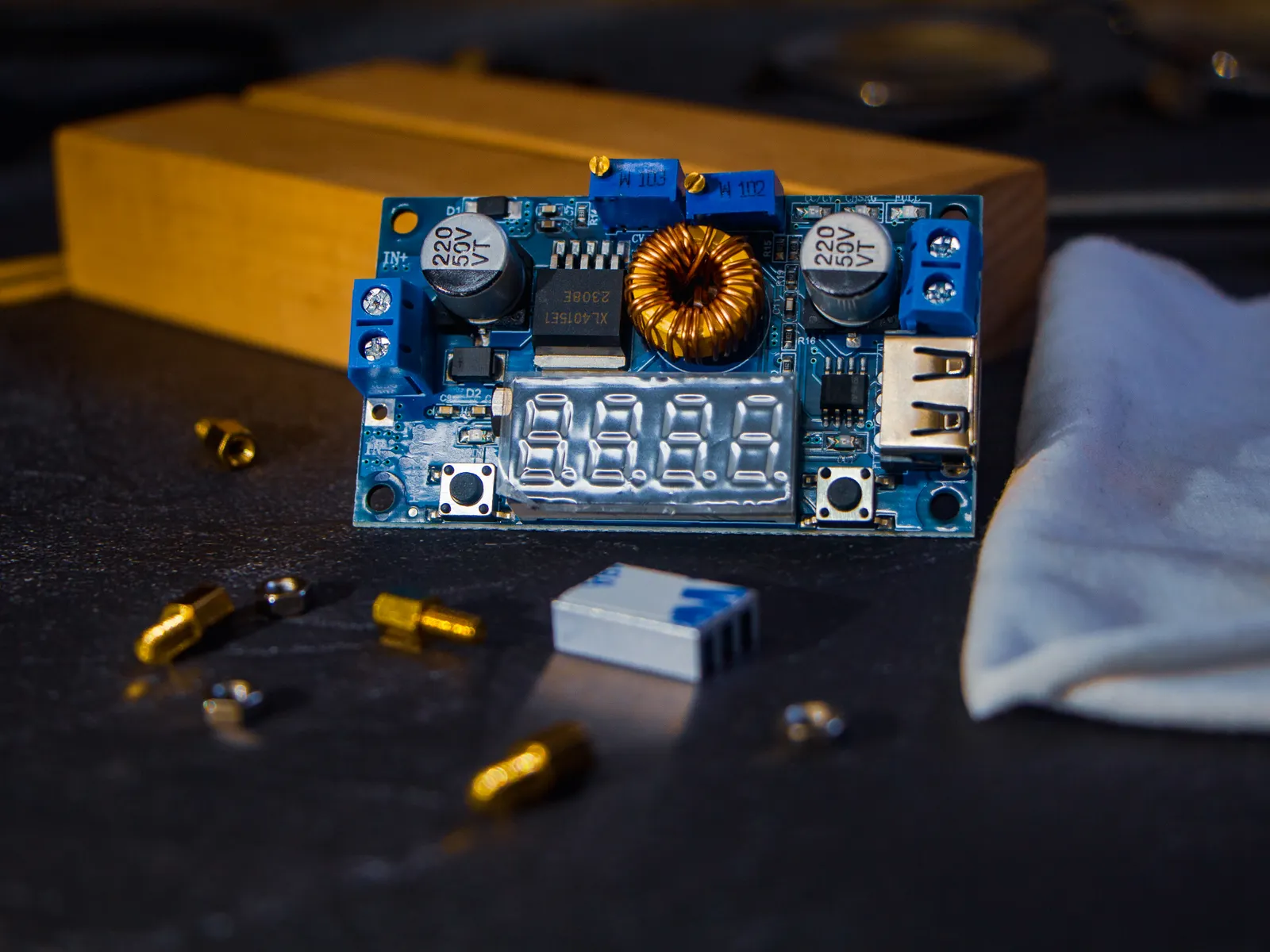
Power management ICs
For regulating, converting, charging, protecting and managing power within the system.
- DC-DC
- Battery management
- Power control
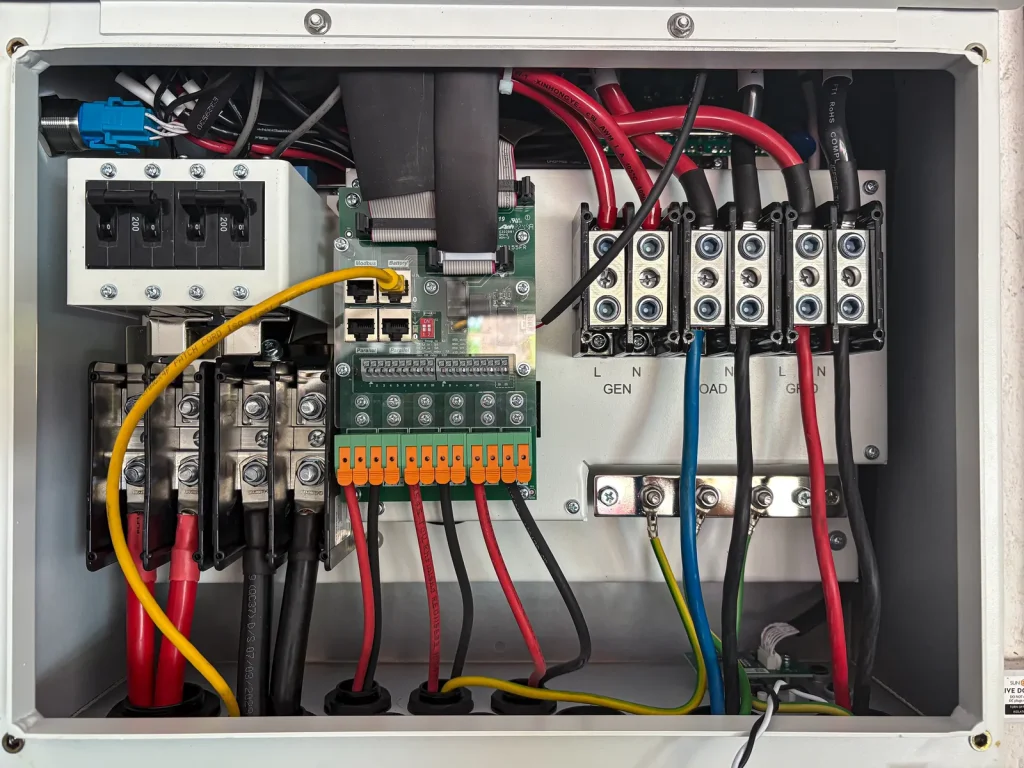
Driver & interface ICs
For moving power or signals between a controller and motors, displays, gates or other subsystems.
- Motor drivers
- Gate drivers
- Interface ICs
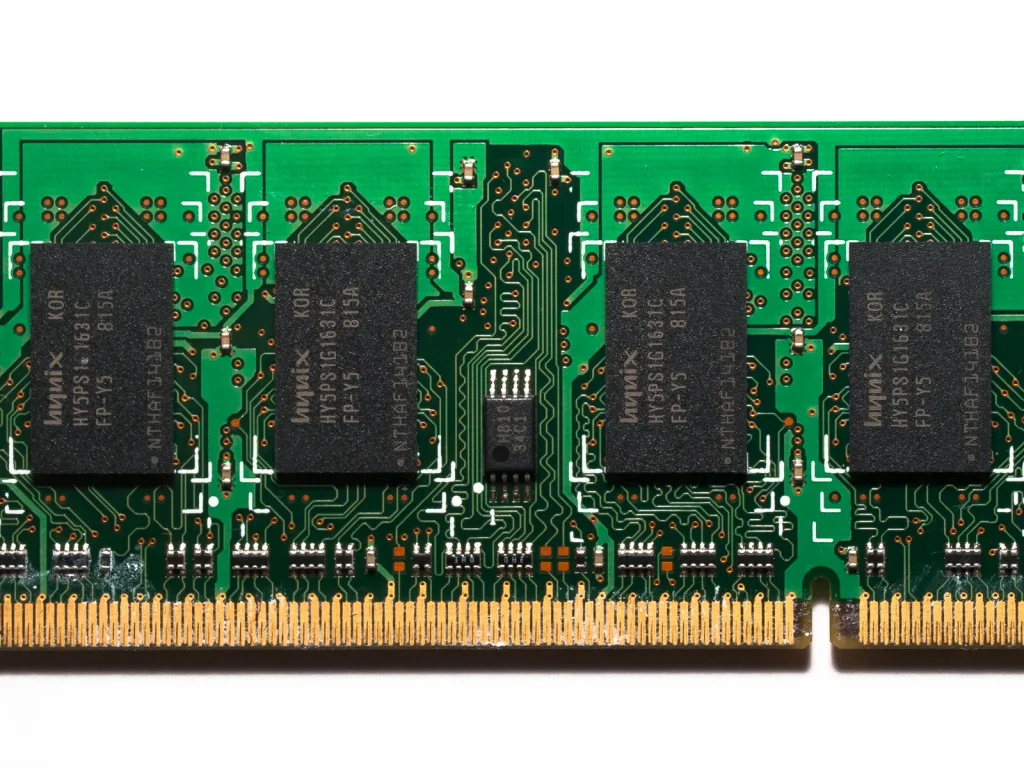
Memory & storage ICs
For code storage, data retention and memory functions with specific interface and density needs.
- Flash
- EEPROM
- DRAM
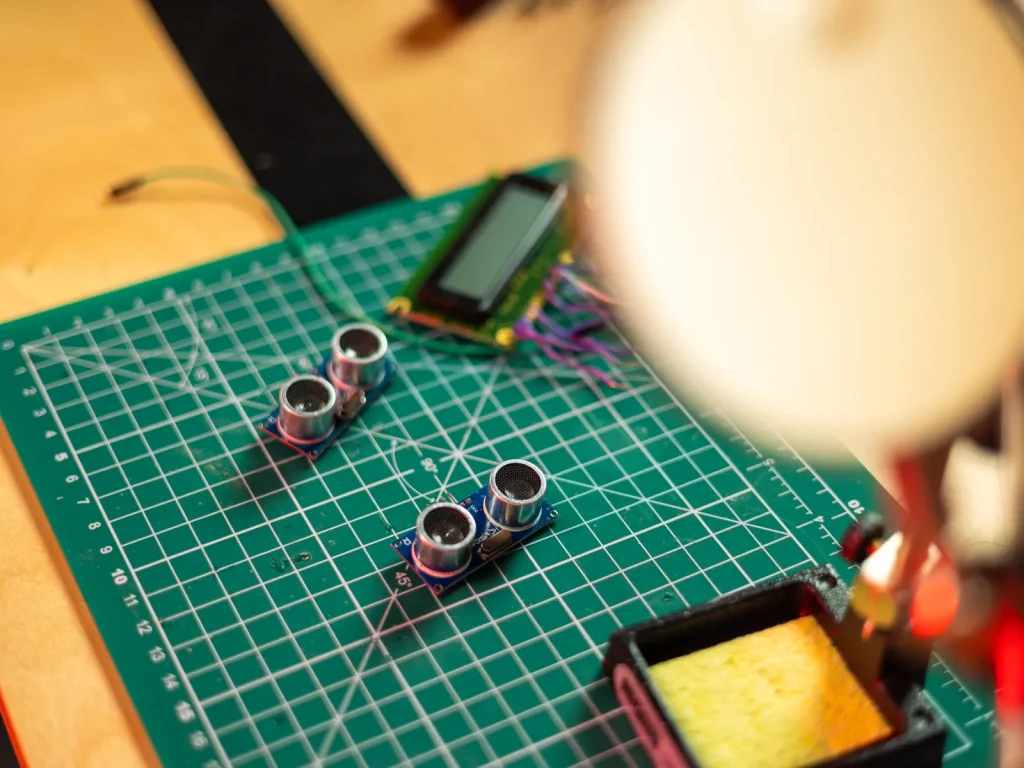
Sensor ICs
For detecting motion, environmental conditions, position, pressure or other physical inputs.
- Motion
- Environmental
- Position

Audio amplifier & codec ICs
For audio paths that require amplification, conversion, processing or interface functions.
- Amplifiers
- Codecs
- Audio interfaces
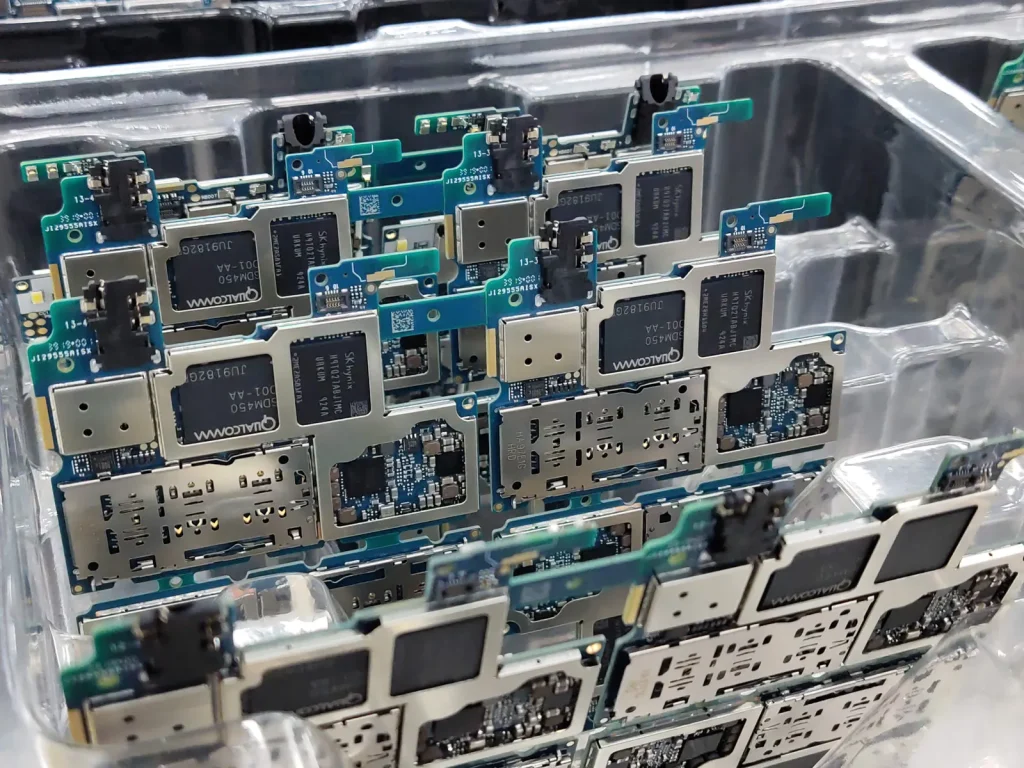
Multi-line BOM requirements
For designs that span several component families and need one coordinated sourcing request.
- Prototype builds
- Production planning
- Cross-line review

Manufacturer-family references
When you know the manufacturer or family but need to narrow the component requirement.
- Brand reference
- Category context
- MPN preparation
SELECT BY DESIGN CONSTRAINT
A product category gets you closer. Constraints determine whether a part fits.
An MCUs, power-management ICs or sensor category can contain many different devices. The purchase request becomes more useful when it captures the design constraints that distinguish one valid option from another.
Electrical limits
Signal & interface needs
Mechanical & thermal fit
Approval boundaries
CHOOSE THE RIGHT REQUEST TYPE
Different situations call for different questions.
Use the structure below to make the request precise. It is not a compatibility decision or a promise that any route, alternative or stock position will be available.
| Component Family | Design Task | Useful Details for an RFQ | When an Alternative Needs Review |
|---|---|---|---|
| Microcontrollers & processors |
Run embedded logic, control or processing functions. | Core/device family, memory need, interface, package and operating conditions. | Pinout, firmware compatibility, peripherals or processing capability change. |
| Wireless & connectivity | Connect the product through a radio or network interface. | Protocol, radio band, module/device form, interface and regulatory constraints. | Radio performance, software support, antenna or certification implications change. |
| Power management | Convert, regulate, charge or protect the power path. | Input/output range, current, topology, package and thermal constraints. | Voltage, current, compensation, protection or thermal behavior changes. |
| Drivers & interfaces | Control loads or connect subsystems to a controller. | Load type, voltage/current, drive method, interface and protection needs. | Drive characteristics, logic levels, package or protection features change. |
| Memory & storage | Store code, configuration or data. | Type, density, interface, speed, package and lifecycle preference. | Density, command set, interface timing or package changes. |
| Sensors & audio | Capture a physical signal or manage an audio path. | Measured signal, range, accuracy, interface, package and environment. | Performance range, calibration, interface, noise or package changes. |

A PRACTICAL SOURCING PARTNER
When component sourcing needs more than a search result.
A purchase decision can depend on more than availability. Part-number accuracy, quantities, packaging, date code, acceptable alternatives and documentation may all affect whether a component fits the project. We help organize these requirements before the order moves forward.
- Support for single-line RFQs and complete bills of materials
- Practical sourcing communication for buyers and engineering teams
- Alternatives can be discussed when supply conditions require review
WHEN YOUR DESIGN SPANS MULTIPLE COMPONENT CATEGORIES
A complete BOM creates a better picture than isolated line-item enquiries.
A product page helps you identify the component family. A BOM lets the sourcing request account for relationships, quantities and shared delivery priorities across the build.
Group the components
Organize the list by part number and component family to make the design scope clear.
Flag decision-critical lines
Highlight parts with fixed parameters, tight timing or special approval requirements.
Set order context
Provide quantities, target date and destination so the request can be assessed as an order.
Define review boundaries
State whether alternatives can be discussed and which quality conditions must be met.